The Rome sights to see first are the Colosseum with the Roman Forum and Palatine Hill, the Vatican Museums and Sistine Chapel, St Peter’s Basilica, the Pantheon, the Trevi Fountain, Piazza Navona and the Spanish Steps. Most visitors need two full days for those, and a third day adds Galleria Borghese and the Appian Way.
Below, our Italy-based team walks through the big sights one by one. Further down you will find a table of 15 must-see attractions with the time each one needs, a 1-, 2- and 3-day order, and practical advice on safety, food and getting around with limited mobility.
Key takeaways
- Book the Colosseum and the Vatican Museums before you travel. Colosseum tickets carry a compulsory time slot.
- St Peter’s Basilica is free to enter, but shoulders and knees must be covered at the security check.
- Group the sights by area (ancient Rome, the Vatican side, the historic centre) to save walking.
- Watch for pickpockets at the busiest sights and on the metro.
Ancient Roman Ruins: A Walk Through History
Exploring Rome’s ancient ruins feels like stepping into a time machine. It takes you back to the Roman Empire’s peak, to a time when emperors ruled and gladiators fought.

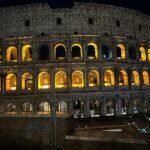
Colosseum: The Iconic Amphitheater
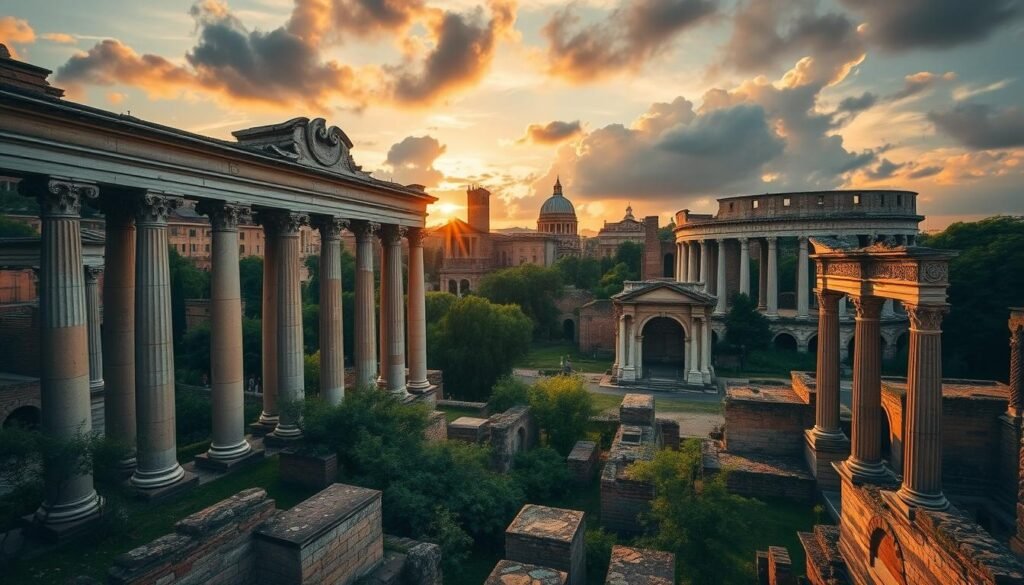
The Colosseum is a symbol of Roman architecture’s greatness. It was finished in 80 AD and could hold over 50,000 people. It has been restored several times, including a big effort in the 1990s.
Today, it’s a top spot for tourists, with over 5 million visitors every year.
Roman Forum & Palatine Hill
Walking from the Colosseum, you reach the Roman Forum & Palatine Hill. This area was the heart of Roman life for centuries. It’s filled with ruins of temples, basilicas, and markets.
The Palatine Hill, once the home of emperors, offers stunning views. It’s open every day, welcoming visitors with its rich history.
Pantheon: A Marvel of Roman Engineering
The Pantheon was first built by Agrippa in 27-25 BC and rebuilt under Emperor Hadrian in the 2nd century AD. Its huge dome and central oculus have amazed architects for ages. Originally a temple for all Roman gods, it now holds tombs of famous artists and monarchs.
The Pantheon’s design is a testament to ancient engineering. It’s a sight that fills you with wonder and admiration.
Each site shows a different part of ancient Rome’s history. For a deeper experience, consider booking tours or guided walks of these ancient sites.
| Roman Attraction | Significance | Notable Features |
|---|---|---|
| Colosseum | Iconic Amphitheater | Capacity of 50,000, built in 80 AD, millions of yearly visitors |
| Roman Forum | Political & Social Hub | UNESCO World Heritage Site, active from 7th century BC |
| Pantheon | Architectural Marvel | Largest unreinforced concrete dome, rebuilt under Hadrian in the 2nd century AD |
The Heart of Rome: Historic Squares and Fountains
Exploring Rome’s historic squares feels like stepping back in time. Each corner and fountain shares stories of art and history. From the Trevi Fountain to Piazza Navona, these places are filled with legends and beauty.
Trevi Fountain: Toss a Coin, Make a Wish
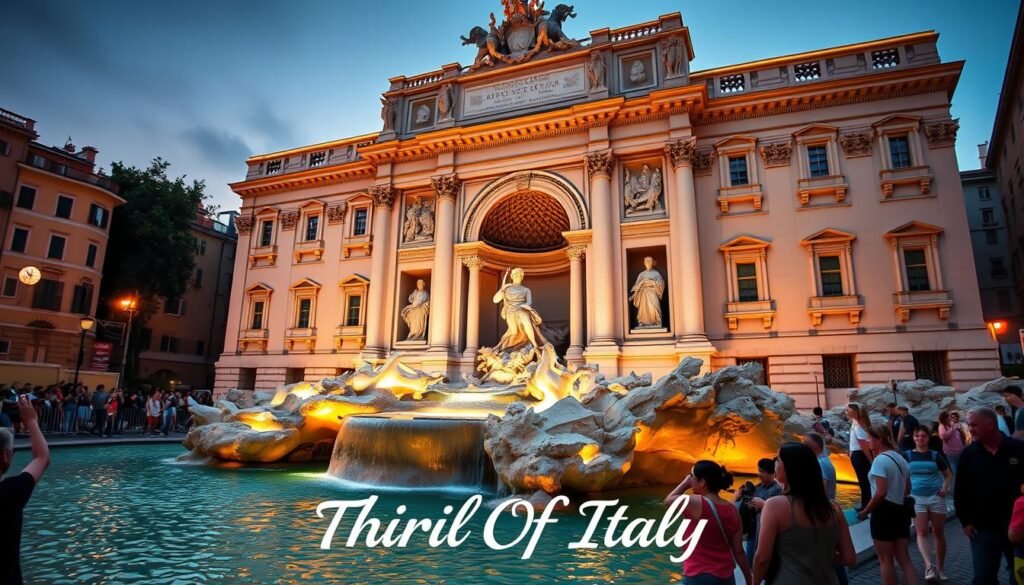
The Trevi Fountain is a masterpiece of baroque design. It’s famous for a tradition: tossing a coin into the water to wish for a return to Rome. The sculptures and waterfalls create a magical scene, making it a must-see in Rome.

Piazza Navona: Rome’s Vibrant Square
Piazza Navona is where old meets new. It was transformed in the 17th century by famous architects. The Fountain of the Four Rivers by Bernini stands at its center, symbolizing the world’s continents.
This square is alive with street performers, cafes, and a vibrant atmosphere. It’s a place of energy, day and night. In winter the square traditionally hosts a Christmas market until 6 January, and our guide to Rome in January covers what else to expect.
Spanish Steps: A Picturesque Climb
The Spanish Steps offer a unique view of Rome. In spring, they’re surrounded by beautiful azaleas. At the base, Bernini’s Fountain of the Barcaccia adds to the beauty.
Climbing the steps leads to the church of Trinita dei Monti. From there, you can see a stunning view of Rome’s historic squares.
Here’s a quick comparison of key highlights across these remarkable public spaces:
| Square | Highlights | Unique Features |
|---|---|---|
| Piazza Navona |
|
|
| Piazza di Spagna |
|
|
Exploring Rome Attractions: The Vatican and Beyond
A trip to Vatican City starts with St. Peter’s Basilica. It’s a stunning example of Renaissance architecture and the heart of the Catholic Church. The basilica’s dome, at 448.1 feet, offers a memorable experience through St. Peter’s Basilica tours. Inside, Michelangelo’s Pietà touches the hearts of all who see it. For a faith-focused trip, our guide to Catholic pilgrimage sites in Rome and across Italy covers the basilicas and shrines worth planning around.
St. Peter’s Basilica: The Spiritual Heart of the Vatican
St. Peter’s Basilica is a top church in Christendom. It’s known for its architecture and religious importance. The Basilica has many chapels and altars. Climbing 551 steps leads to views of Rome from its dome.
Taking St. Peter’s Basilica tours reveals its history, art, and the Vatican Grottoes. Here, the tombs of popes are found. St. Peter’s Square fills with pilgrims at Easter, and our guide to Holy Week and Easter in Italy explains how to plan around it.
Vatican Museums & Sistine Chapel: Art and History Fusion
The Vatican Museums are a treasure trove of Vatican Museums masterpieces. They have ancient sculptures and Renaissance paintings. Art lovers and history enthusiasts find joy in exploring these galleries.
The Sistine Chapel is the main attraction. Michelangelo’s Sistine Chapel frescos, like the Last Judgement, are divine. They tell stories of deep beauty and profound meaning.
Castel Sant’Angelo: From Mausoleum to Fortress
Castel Sant’Angelo has stood since the 2nd century. It was first a mausoleum for Emperor Hadrian. Over a thousand years, it became a fortress and a papal residence.
Walking through its passages and chambers shows military architecture and views of Rome. Castel Sant’Angelo is a testament to ancient Roman strength and creativity.
| Attraction | Highlights |
|---|---|
| St. Peter’s Basilica | Spiritual significance, architectural marvel, views from the dome |
| Vatican Museums & Sistine Chapel | Eclectic art collection, Michelangelo’s frescos, historical artifacts |
| Castel Sant’Angelo | Historical evolution, tactical architecture, panoramic city views |
Beyond the Main Sights: Quieter Corners and Local Favorites
Rome is full of treasures beyond its famous landmarks. Explore the city’s hidden corners to find its true soul. Here, the old and new mix, offering a glimpse into real local life.
Trastevere: The Charming Riverside Neighborhood
Trastevere lies across the Tiber River, with a community feel. The Trastevere culture shines on its cobblestone streets, filled with traditional places. Daytime brings ivy-covered buildings, while nights buzz with local spots. Despite growing fame, Trastevere keeps its genuine charm, loved by all.
Via Appia Antica: Ancient Pathways and Catacombs
The Via Appia Antica takes you back in time, walked by Roman soldiers. It’s lined with beautiful cypress trees and leads to the Via Appia Antica catacombs. This path is a journey through history, not just a walk.
Galleria & Villa Borghese: Art in a Serene Park Setting
Villa Borghese offers a peaceful escape from the city. Inside, the Galleria Borghese houses Villa Borghese art from the Renaissance and Baroque eras. It’s a haven for art lovers, showing Rome’s beauty in a calm setting. The park and its art capture Rome’s hidden beauty.
Rome also has treasures like Coppedè Neighborhood and Basilica di Santo Stefano Rotondo al Celio. These spots reveal Rome’s rich history and lively present. Exploring these places deepens your understanding of Rome.
Conclusion
Rome’s iconic attractions leave a lasting impression. The city’s history and culture are truly remarkable. From the Colosseum to Piazza Navona, Rome’s sights offer a glimpse into the past and present.
The Vatican Museums are a treasure trove of art, drawing millions each year. St. Peter’s Basilica stands as a symbol of the Vatican’s importance. Trastevere and Via Appia Antica take you back in time, showing Rome’s rich history.
Rome may face modern challenges like public transport issues. Yet, its food, neighborhoods, and parks like Villa Borghese keep its spirit alive. Walking Rome’s streets, you feel the city’s timeless charm. It’s a place that invites you to come back again and again.
FAQ
What are the top Rome attractions that every visitor must see?
What are the best historic Rome attractions to explore?
Can you recommend any memorable Rome sightseeing tours?
What is the significance of the Colosseum in Rome?
Why is the Trevi Fountain a must-see landmark in Rome?
What makes Piazza Navona a vibrant tourist destination in Rome?
What historic treasures can be found in Vatican City?
Where can I find quieter corners and local favorites in Rome?
What are the best places to visit in Rome for art lovers?
Why should I consider Rome’s sightseeing tours for my visit?
Sources
- Best things to do in Rome – 25x Attractions, Places to visit & Sightseeing – https://romesite.com/attractions.html
- Exactly What To Do In Rome: Complete Guide For First Timers – https://wheatlesswanderlust.com/things-to-do-in-rome/
- Exploring Ancient Roman Ruins: A Journey Through Time in Rome – https://aviator.indus.travel/roman-ruins/
- The Top 9 Roman Ruins in Rome That Aren’t the Colosseum – The Roman Guy – https://theromanguy.com/italy-travel-blog/rome/the-top-roman-ruins-in-rome/
- Top 8 ruins of ancient Rome – https://www.headout.com/blog/ruins-in-rome/
- Exploring the Eternal City: The 7 Must-See Squares in Rome | Romecabs – https://www.romecabs.com/blog/docs/exploring-eternal-city-must-see-squares-in-rome/
- Ancient Rome Squares and Fountains Walking Tour – https://treasuresofrome.it/rome-squares-and-fountains-walking-tour/
- Heart of Rome – https://eyesofrome.com/our-tours/rome-vatican/heart-of-rome
- 10 Things to See Near the Vatican City – The Roman Guy – https://theromanguy.com/italy-travel-blog/rome/top-things-to-see-do-near-the-vatican-city/
- What To Do in Rome When You’ve Done Everything – https://revealedrome.com/2017/10/what-to-do-in-rome-when-youve-done-everything/
- Visiting the Vatican – Absolutely all you need to know | Romewise – https://www.romewise.com/visiting-the-vatican.html
- 9 Best Hidden Gems in Rome listed by Real Locals – Rome Travel Tips – https://rometraveltips.com/9-best-hidden-gems-in-rome-according-to-locals/
- 22 TOP Hidden Gems of Rome That Most Tourists Never See (+ Map & Tips) – https://fullsuitcase.com/different-things-to-do-in-rome/
- Rome off the beaten path | Non-touristy things to do in Rome – Jill on journey – https://jillonjourney.com/off-the-beaten-path-rome-non-touristy-things-to-do/
- Is Rome Worth Visiting? My Honest Opinion, Pros & Cons – https://www.romeactually.com/is-rome-worth-visiting/
- What Makes Rome Such a Fascinating Destination for Travelers? – https://voxcity.com/en/post/187-what-makes-rome-such-a-fascinating-destination-for-travelers
What are the 15 must-see sights in Rome?
Rome’s 15 must-see sights are the Colosseum, the Roman Forum and Palatine Hill, the Vatican Museums, St Peter’s Basilica, Castel Sant’Angelo, the Pantheon, the Trevi Fountain, Piazza Navona, the Spanish Steps, Galleria Borghese, Trastevere, Campo de’ Fiori, the Appian Way, the Aventine Keyhole and Quartiere Coppedè. Together they fill about three unhurried days.
The times below are what we allow when we plan a private day, including a short queue at security. Guided visits run a little longer.
| Sight | Area | Time to allow | Plan ahead |
|---|---|---|---|
| Colosseum | Ancient Rome | 1.5 to 2 hours | Timed ticket; official sales open 30 days before your visit |
| Roman Forum and Palatine Hill | Ancient Rome | 2 to 3 hours | Sold on a combined ticket with the Colosseum |
| Vatican Museums and Sistine Chapel | Vatican | 3 hours | Book on tickets.museivaticani.va, the only official online seller |
| St Peter’s Basilica | Vatican | 1 to 1.5 hours, more for the dome | Free entry; shoulders and knees covered |
| Castel Sant’Angelo | By the Tiber, near the Vatican | 1 to 1.5 hours | Pairs well with a Vatican morning |
| Pantheon | Historic centre | 30 to 45 minutes | Ticketed entry; go early or late to skip the queue |
| Trevi Fountain | Historic centre | 20 to 30 minutes | The close-up area has charged a small fee since February 2026 |
| Piazza Navona | Historic centre | 30 to 60 minutes | At its liveliest in the evening |
| Spanish Steps | Piazza di Spagna | 30 minutes | About 135 steps up to Trinità dei Monti |
| Galleria Borghese and Villa Borghese | Borghese park | 2 hours, plus time in the park | Booking compulsory; tickets go on sale 10 days ahead |
| Trastevere | Across the Tiber | An evening | Best for a walk and dinner |
| Campo de’ Fiori market | Historic centre | 45 minutes | Go in the morning, when the stalls are full |
| Appian Way (Via Appia Antica) and the catacombs | South-east of the centre | Half a day | Walk or cycle a stretch; add Parco degli Acquedotti |
| Aventine Keyhole | Aventine Hill | 45 minutes | Combine with lunch in nearby Testaccio |
| Quartiere Coppedè | North-east of the centre | 45 minutes | Fairy-tale buildings around the Frog Fountain |
How should you see Rome's sights in 1, 2 or 3 days?
In one day, see ancient Rome in the morning and the historic centre in the afternoon. With two days, give the second morning to the Vatican. With three, add Galleria Borghese and the Appian Way or the Aventine. Grouping sights by area keeps walking short and lets you book timed tickets in a sensible order.
One day in Rome
- Morning: the Colosseum on an early time slot, then the Roman Forum and Palatine Hill.
- Afternoon: lunch, then the Pantheon, the Trevi Fountain and Piazza Navona on foot.
- Evening: cross the river for dinner in Trastevere.
Two days in Rome
- Day 1: the one-day route above.
- Day 2: the Vatican Museums when they open (8:00, Monday to Saturday), St Peter’s Basilica, then Castel Sant’Angelo. Finish at the Spanish Steps for sunset.
Three days in Rome
- Days 1 and 2: as above.
- Day 3: Galleria Borghese at your booked time and a walk through Villa Borghese, then the Appian Way and its catacombs, or the Aventine Keyhole and the Testaccio market.
Dates to plan around in 2027
- On Wednesday mornings, when the Pope is in Rome, the General Audience is usually held in St Peter’s Square, so visit the basilica on another morning.
- The Vatican Museums are open free on the last Sunday of the month (9:00 to 14:00), so expect that morning to be busy.
- On Good Friday, 26 March 2027, the Colosseum and the Forum close early for the Via Crucis.
- Sunday 30 May 2027 is the last stage of the Giro d’Italia, a Rome to Rome stage on a closing circuit in central Rome. If you are in town for the Giro finale in Rome on 30 May, expect road closures and plan sights on foot.
Our private Rome tours set this order around your hotel and your ticket times. If Rome is the start of a longer trip, the 12-day Best of Italy itinerary pairs it with the Amalfi Coast, Florence and Venice.
Is Rome safe for tourists?
Rome is safe for most visitors who take normal big-city care. The problem you are most likely to meet is pickpocketing in the busiest places: around the Trevi Fountain, on the metro and crowded buses, and in queues at the big sights. Keep bags zipped and in front of you, and stay on busy, well-lit streets at night.
Practical safety tips
- Keep passports and spare cards in a money belt rather than a day bag.
- Do not leave a phone on a café table or in a back pocket.
- On narrow streets, carry your bag on the side away from the road, because bag snatchers on scooters do happen.
- Say “no grazie” to anyone offering unasked help at ATMs or ticket machines.
- Around Termini station and the Esquilino after dark, keep to well-lit streets and plan your ride back before you go out.
| Area | What to watch for | What to enjoy |
|---|---|---|
| Historic centre | Pickpockets near landmarks and street performers | Evening walks and photos at the piazzas |
| Trastevere | Scooters on narrow lanes; bags in crowded bars | Dinner outdoors and live music |
| Vatican | Crowds in the museum corridors | An early entry before the tour groups |
| Termini and Esquilino | Quiet side streets late at night | A casual gelato stop in the evening |
When we plan your trip, our concierge is on WhatsApp 24/7 while you travel, so there is always someone in Italy to call if something goes wrong.
Where should you eat in Rome?
Eat in Rome the way Romans do: a family trattoria for the classic pastas, pizza by the slice for a quick lunch, an espresso standing at the bar, and gelato on the walk home. Trastevere, Testaccio and the streets around Piazza Navona have the most choice, and the food markets show what is in season.
What to order
- Cacio e pepe and carbonara are the Roman pastas to try first.
- Pizza by the slice makes a fast lunch between sights.
- Order espresso at the counter in the morning, as locals do.
- Choose gelato that looks natural in colour rather than bright, piled-up mounds.
Food markets worth a morning
| Market | Area | What you will find |
|---|---|---|
| Campo de’ Fiori | Historic centre | Vegetables, spices and flowers |
| Testaccio Market | Testaccio | Local meats, cheeses and seasonal fruit |
Restaurants open and close often, so we suggest current places when we build your days rather than printing a list here. For a guided introduction, our private food and wine tours can start with a market morning in Rome.
What is there to do in Rome besides the big sights?
Beyond the famous monuments, Rome is at its best on slow evenings and neighbourhood walks: a sunset at the Spanish Steps, dinner in Trastevere, the morning market at Campo de’ Fiori, and quieter corners such as the Aventine Keyhole, Quartiere Coppedè and the aqueduct ruins of Parco degli Acquedotti. Most of these are free.
Three walks we like
- The historic centre circuit: the Colosseum, the Forum and the Pantheon in one loop.
- Trastevere at dusk: start at Piazza Trilussa and wander the lanes as the restaurants fill.
- The Vatican to Villa Borghese: from St Peter’s to the gardens and the Borghese collection, for art lovers.
Romantic experiences in Rome
For couples, the simplest moments work best: the dome of St Peter’s framed in the Aventine Keyhole, an evening in Piazza Navona among the artists and musicians, and a picnic under the arches at Parco degli Acquedotti.
Shopping for something real
Via del Corso has everything from big brands to small shops and is best in the evening. For handmade jewellery and leather, look for the family-run workshops in Trastevere and Monti. Our private day experiences can add a guide or a hands-on activity to any of these.
Is Rome accessible for wheelchair users and slow walkers?
Parts of Rome are accessible with planning. The Colosseum has a lift between its first and second tiers, and the Vatican Museums lend free wheelchairs and give free entry to visitors with a certified disability. Cobblestones, kerbs and steps make the historic centre harder, so a private driver and short walking stretches help most.
- Colosseum: a lift links the first and second tiers, and the underground is reached by a freight elevator. Access to the upper tier is not confirmed, so ask when you book.
- Vatican Museums: free wheelchairs from the cloakroom, subject to availability, with ID and a deposit. Visitors with a certified disability of at least 67% enter free, with a companion if needed, at the desk in the entrance hall. Bring documentation and ask at the desk.
- Vatican tours: standard guided tours do not take wheelchair users, except the “Vatican Gardens without barriers” tour.
- Spanish Steps: about 135 steps, so admire them from Piazza di Spagna if stairs are hard.
- Driving in: the historic centre has weekday daytime and weekend night traffic restrictions (ZTL), so check how close a car can get to each sight.
- Airports: wheelchair help at Fiumicino and Ciampino is free. Request it through your airline when booking, or at least 48 hours before you fly.
Our guide to Italy trips for seniors and slower walkers covers pacing, hotels and transfers in more detail.
How do you plan a private trip to see Rome's sights?
Tell us your dates, how many nights you have in Rome and what matters most to you. Our team lives and works in Italy and builds a private day-by-day plan with entrance tickets, local guides, a driver where it helps and a hotel that suits the route. Every trip is quoted individually, with no fixed packages.
- Flights are not included, but we can advise on routing and timing. If you are flying from the Midwest, see our guide to nonstop flights from Chicago to Rome.
- If this is your first trip to Italy, Rome is an easy place to start.
- Not sure you want a guide every day? Read how a private tour compares with a group tour.
Call our US line on +1 888-342-2847, message us on WhatsApp at +39 352 205 7020, or start planning your Rome trip and request a personalised quote.
What else do travellers ask about Rome's sights?
Travellers planning Rome sights also ask whether one day is enough, which Colosseum ticket to buy, what needs booking and how walkable the city is. The short answers: two days is better than one, book the Colosseum and Galleria Borghese ahead, St Peter’s is free, and good shoes matter most.
Can you do Rome in a day?
Yes, if you keep to one area at a time and follow the one-day route above. Book your timed tickets before you land and start early. The Vatican needs about half a day on its own, so with one day you choose between it and ancient Rome. Two days lets you see both without rushing.
Which Colosseum ticket should I buy?
It depends on what you want to see. The basic ticket covers the Colosseum, the Roman Forum and Palatine Hill. The Full Experience ticket adds one special area, either the arena floor, the underground or the upper Attic, and is valid for two consecutive days. Since 9 November 2026 the Attic admits groups of up to 25 every 30 minutes. All Colosseum tickets carry a time slot, so book ahead on ticketing.colosseo.it.
Do you need tickets for St Peter’s Basilica?
No. Entry to St Peter’s Basilica is free, and there is no ticket for the basilica itself. You do pass a security check, and the dress code is enforced there: shoulders and knees must be covered, for men and women. The dome climb is separate. Go early in the morning, before the security queue builds.
Do I need to book Galleria Borghese in advance?
Yes. Booking is compulsory for every ticket at Galleria Borghese, including free ones, and no tickets are sold at the door. Tickets go on sale 10 days before the visit date, so set a reminder once your dates are fixed. You can also book by phone on +39 06 32810, Monday to Friday, 9:30 to 18:00 Rome time. Allow about two hours, then walk off lunch in Villa Borghese.
Can you drink the tap water in Rome?
Yes. Rome’s tap water is safe to drink, public drinking fountains run across the city, and Romans refill water bottles at them all day, which is the easiest way to stay hydrated between sights in summer. Bring a reusable bottle and top it up as you walk, especially on summer days when Rome’s highs sit around the upper 80s°F and the queues at the big sights are in full sun.
Is Rome easy to walk around?
The historic centre is compact, and many of the big sights, such as the Pantheon, the Trevi Fountain, Piazza Navona and the Spanish Steps, sit within walking distance of each other. The Vatican and the Appian Way are further out. Cobblestones and hills make it tiring, so wear broken-in shoes, plan a rest at lunch and use a driver or taxi between areas.

12-Day Best of Italy

The White Lotus Experience
Southern Thrills

Tuscan Coastal Escape
E-Bike Holiday in Tuscany
Tuscany
Sicily
Amalfi Coast & Naples

Puglia & Calabria

Dolomites, Verona & Venice

Italian Lakes
Umbria
Cinque Terre
Food & wine

Honeymoons & romance
First trip to Italy

Family & multigenerational

Luxury private tours

Private groups

Day experiences

Private, group or DIY?

Driving in Italy