Read traveller reviews & trip stories Travelled with us? Review us on Google

Tuscany vs Amalfi Coast: Which Should You Choose?

Countryside or coast: how Tuscany and the Amalfi Coast compare on landscape, food, the sea, getting around and timing, and how to see both in one trip.

Quick answerChoose Tuscany for rolling vineyards, hill towns, Florence and wine-led days at a gentle pace. Choose the Amalfi Coast for cliffside towns, boat days to Capri and the sea at the centre of everything. Tuscany suits wine lovers and young families; the coast suits most honeymoons. With 10 days or more, you can do both.

By the Thrill of Italy team · Updated November 2026

Tuscany vs Amalfi Coast at a glance
FactorTuscanyAmalfi Coast
LandscapeRolling hills, vineyards, cypress roads, walled hill townsCliffs dropping into the sea, towns stacked above the water
PaceGentle touring: town, winery, long lunchSlow sea days from one base; short distances, slow road
HighlightsFlorence, Siena, Chianti, San Gimignano, Val d'OrciaPositano, Amalfi, Ravello, Capri by boat, Pompeii nearby
Food and wineBistecca, pecorino, olive oil; Chianti Classico, Brunello di MontalcinoSeafood, lemons, limoncello, mozzarella di bufala; Campanian whites
Sea and beachesSandy coast in the Maremma and around Bolgheri, away from the hill countrySmall pebble beaches, beach clubs and boat days
Getting aroundCar or private driver; ZTL zones in historic centresOne narrow coast road (SS163), boats, private driver; odd/even plate rule at set hours, 1 Apr to 30 Sep (2027 hours unconfirmed; licensed NCC drivers exempt)
Best monthsApril to June, September to OctoberMay to June, September to early October
Nearest major airportsFlorence, PisaNaples
Best forWine lovers, first trips with Florence, cyclists, young familiesHoneymoons, sea lovers, couples who want views and boat days
WinterWorks year-round, especially Florence and wine estatesQuiet; many seasonal hotels close

Should I go to Tuscany or the Amalfi Coast?

Go to Tuscany if you want rolling vineyards, walled hill towns, Florence’s art and long lunches at wine estates. Go to the Amalfi Coast if you want the sea: cliffside towns, boat days to Capri and dinners on a terrace above the water. The real question is countryside or coast.

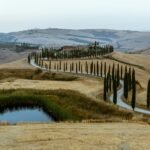
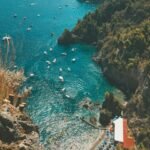
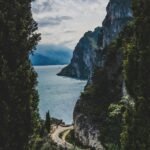
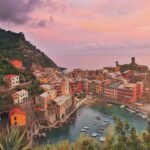
Landscape. Tuscany is wide and green-gold: cypress-lined roads, olive groves, the vineyards of Chianti and the open hills of the Val d’Orcia, with Siena, San Gimignano and Montepulciano on the ridges. The Amalfi Coast is vertical. Positano, Amalfi and Ravello cling to the cliffs above the Tyrrhenian Sea, and almost every view is a sea view.

Pace. Tuscany spreads out, so a typical day links a hill town, a winery and a long lunch by short drives. On the Amalfi Coast the distances are small but the road is slow, so most travellers settle into one base and let the days revolve around the water: a swim, a boat, a late dinner.

Pick Tuscany if you want wine estates, Florence’s art, hill towns, easy cycling or space for young children, or you are travelling outside summer.

Pick the Amalfi Coast if you want swimming, boat days and sea views from one base, and you can travel between May and early October.

Our private Tuscany tours and private Amalfi Coast and Naples tours show how we plan each region.

Is Tuscany or the Amalfi Coast better for food and wine?

Tuscany is the stronger choice for wine lovers, with Chianti Classico, Brunello di Montalcino and Vino Nobile di Montepulciano all within easy reach of each other. The Amalfi Coast wins on seafood, lemons and the produce of Campania, including mozzarella di bufala and, nearby, Neapolitan pizza. So pick by what is in your glass.

  • Tuscany: bistecca alla fiorentina, pecorino from Pienza, ribollita, hand-rolled pici pasta and peppery new-season olive oil in late autumn. Estate visits with tastings are the heart of many Tuscan days.
  • Amalfi Coast: fish straight off the boats, scialatielli pasta with seafood, lemons in everything from cakes to limoncello, and Campanian white wines such as Falanghina, Fiano and Greco di Tufo.

Cooking classes work well in both regions. In Tuscany they tend to centre on hand-made pasta and slow-cooked sauces; on the coast, on seafood, mozzarella and lemons. Our Amalfi and Naples coastal itinerary includes a cooking class in Sorrento and a guided visit to Pompeii.

Does Tuscany have beaches, or is the Amalfi Coast better for the sea?

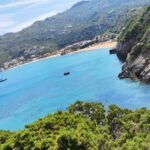
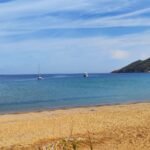
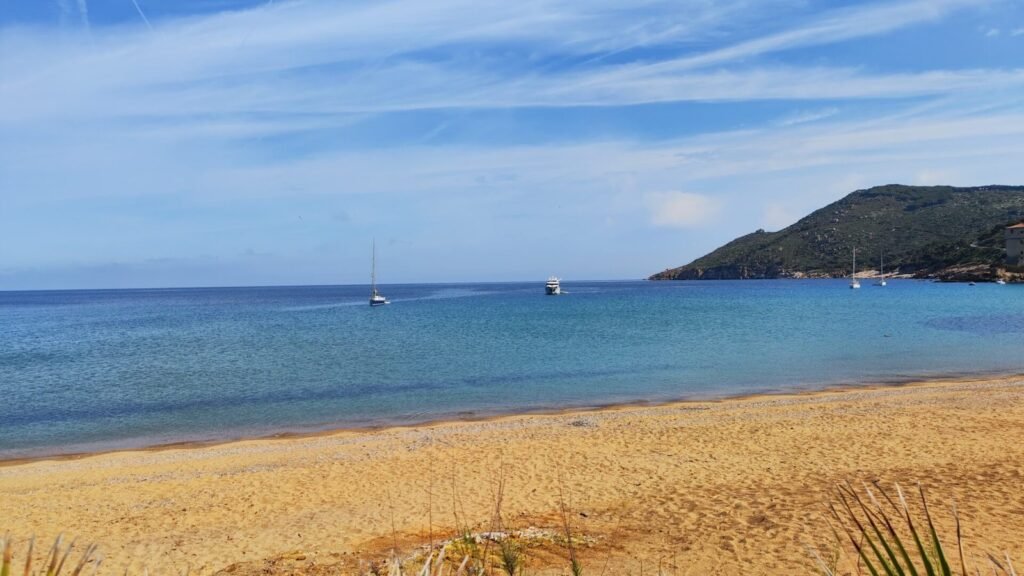
Tuscany does have a coastline, in the Maremma and around Bolgheri, with longer sandy stretches than you will find near Amalfi, plus islands such as Elba and Giglio. But classic Tuscany is hill country. The Amalfi Coast puts the sea at the centre of every day, though its beaches are mostly small, pebbly and busy in summer.

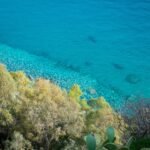
On the Amalfi Coast, the best sea days are spent on a boat: across to Capri, or along the coast to swim in coves you cannot reach by road. Beach clubs rent loungers by the day, and in July and August it pays to book ahead.

In Tuscany, think hill towns first and sea second. If you want both inside one region, the Tuscan coast is the answer. Our 11-day Tuscan Coastal Escape combines the Maremma, Giglio Island, the thermal baths of Saturnia, Bolgheri wines and a private boat day in the Cinque Terre.

How do you get around Tuscany and the Amalfi Coast?

In Tuscany you need a car or a private driver, because trains link the cities but not the wine villages and hill towns in between. On the Amalfi Coast a car is more burden than help: one narrow coast road, scarce parking and a summer number-plate rule. A private driver and boats are the easiest way.

The Amalfi Coast road rule

The coast road is the SS163, managed by ANAS, Italy’s state road company. Under ANAS ordinances in place since 2019, from 1 April to 30 September, during set hours, cars may only use the road on days that match the last digit of their number plate, odd or even. The hours for 2027 have not been confirmed yet. Licensed private-hire drivers (NCC) are exempt, so travelling with one takes the rule out of the picture.

Public buses and seasonal ferries also link the main towns. The ferries are the pleasant option in summer; the buses fill up quickly in high season.

Tuscany: car or driver

Driving in Tuscany is far easier than on the coast, and some travellers enjoy it. Two things catch people out. Historic centres such as Florence and Siena have ZTL limited-traffic zones, where an unauthorised entry means a fine by post. And at wine tastings, somebody has to stay sober. Our guide to driving in Italy, ZTL zones and when to hire a driver explains the rules. With a private driver, nobody has to skip the Brunello.

When is the best time to visit Tuscany or the Amalfi Coast?

For both, the best months are May, June, September and early October: warm, long days without the peak heat and crowds of July and August. Tuscany also works in April, and in late autumn for the olive harvest and new oil. The Amalfi Coast is seasonal, and many of its hotels close in winter.

  • Tuscany: the grape harvest usually runs from September into October, and new olive oil arrives from late October. Florence is good all year. The Palio di Siena is traditionally run on 2 July and 16 August. Midsummer in the hills can be very hot.
  • Amalfi Coast: the swimming season runs roughly from June to September, with boats and beach clubs in full swing from late spring. July and August are the hottest and busiest months, and the coast road is at its slowest. In winter the coast is quiet, but many hotels, restaurants and ferry routes pause.
  • Easter 2027 falls on 28 March, which is early. Florence and Tuscany suit that week well; parts of the Amalfi Coast are still opening for the season.

For a month-by-month view, see our guide to the best time to visit Italy, region by region.

Is Tuscany or the Amalfi Coast better for a honeymoon or a first trip?

For most honeymoons, choose the Amalfi Coast, for the views, the boat days and the long evenings above the sea. For a first trip to Italy, Tuscany is the easier pick, because it pairs naturally with Florence and Rome. Tuscany also suits wine lovers, cyclists and families with young children.

Honeymoons

The coast delivers the classic picture: a terrace above the sea, a private boat to Capri, dinner in Ravello. Tuscany suits couples who prefer quiet: a farmhouse or villa among the vineyards, a cooking class for two, the warm waters of Saturnia. Many couples spend a few nights in each. See how we plan honeymoons and romantic trips in Italy.

First trips

Tuscany sits between Rome and Venice and pairs naturally with Florence, which makes it an easy first-trip choice. The Amalfi Coast pairs with Rome, Pompeii and Naples. If you can add only one region to Rome, pick Tuscany for art and wine or the coast for the sea, and do not try to fit both into a week.

Active travellers and families

Tuscany is made for cycling on quiet country roads. Our 8-day E-Bike Holiday in Tuscany rides from Florence through Chianti to Siena, San Gimignano and Volterra. The Amalfi Coast is better for walking, on paths such as the Path of the Gods above Positano. With young children, Tuscany’s space and gentler terrain usually win; the coast’s towns are built on steps.

Can you do Tuscany and the Amalfi Coast in one trip?

Yes, and the two pair well. Florence and Positano are more than 500 km (over 300 miles) apart by road, but the high-speed train from Florence to Naples takes around 3 hours, and a private driver covers the last stretch to the coast. With 10 days or more, you can enjoy both without rushing.

How the move usually works (times are approximate; check the timetable for your date):

  1. Your driver takes you from the Tuscan countryside to Florence’s main station, Santa Maria Novella.
  2. The high-speed train runs to Naples in around 3 hours. Rome is on the way, so you can stop there for a few nights.
  3. A private driver meets you at Napoli Centrale and drives you to Sorrento, Positano or Amalfi, roughly 1 to 2 hours depending on the town and traffic, at the longer end for Amalfi in summer. For Amalfi or Ravello, some trains continue to Salerno, which is a shorter drive.
  4. Door to door, plan on most of a day, so book a relaxed evening on arrival.

A comfortable split for 10 to 12 days is four or five nights in Florence and the Tuscan countryside, two or three in Rome and three or four on the coast, flying into one end and home from the other. Our 12-Day Best of Italy itinerary follows this idea, from Naples, Capri and Pompeii through Rome and Florence to the Tuscan countryside and Venice. We plan the route, drivers, guides and hotels as one trip, and Francesco, our concierge, is on WhatsApp 24/7 while you travel. Tell us your dates and request a personalised quote.

Planning a trip like this?

Tell us your dates and what you love. A member of the team replies personally.

Itineraries to start from

Private and fully custom. Use one as it is, or as the starting point for your own trip.

11 days · Maremma, Bolgheri, Cinque Terre

Giglio Island, Saturnia’s thermal baths, Bolgheri wines and a private boat day in the Cinque Terre.

9 days

Exploring Positano, Guided Tour of Pompeii, Guided Tour of Naples.

12 days · Amalfi Coast, Rome, Florence, Venice

Capri by boat, Pompeii, the Vatican, a Tuscan countryside day and a private boat in the Venice lagoon.

Questions travellers ask

Something else on your mind? A member of the team replies personally.

Florence and Positano are more than 500 km (over 300 miles) apart by road, roughly six hours of driving without stops, longer in summer traffic. The faster way is the high-speed train from Florence to Naples, around 3 hours, then a private driver to the coast, roughly another 1 to 2 hours. Allow most of a day door to door, and break the journey with a few nights in Rome if you can.

Not realistically. With around 3 hours each way on the train to Naples, plus the drive to the coast and back, you would spend most of the day in transit and see Positano for an hour or two. If the coast matters to you, give it at least two nights, ideally three or more. From Sorrento, by contrast, coast day trips are easy, and from Naples they are workable.

Mostly supply and demand. The coast is small and steep, so hotels with sea views are limited and fill early for summer. Boats, beach clubs and drivers add up too. Tuscany is far larger, with country hotels, farm stays, villas and city hotels across every level, so good value is usually easier to find there. Both regions cost less in spring and autumn than in July and August.

Tuscany, for most families with young children. The Amalfi towns are built on steep steps, Positano especially, which is hard going with a stroller, and the beaches are small and pebbly. In Tuscany you can stay somewhere with a garden and a pool and fill the days with a cooking class, a farm visit or a gentle bike ride. Teenagers often prefer the coast for boat days and swimming.

With a week, pick one and pair it with a city. Seven days could be three nights in Florence and four in the Tuscan countryside, or two in Rome and four or five on the Amalfi Coast with a day at Pompeii. Squeezing both into a week costs a full travel day for roughly two days on the coast, which is rarely worth it.

For Tuscany, fly into Florence or Pisa, or into Rome and travel north. For the Amalfi Coast, Naples is the nearest major airport. For both, an open-jaw ticket works well: into Florence, Pisa or Rome and home from Naples, or the reverse. From the US, most travellers land in Rome and continue by train or private driver.

Yes. It shows you a completely different Italy: the south, the sea and the food of Campania, with Capri, Pompeii and Naples close by. Where Tuscany is about hill towns and wine, the coast is about boats, swimming and terraces above the water. Three or four nights there, with a day at Pompeii, makes a strong second trip.

Your Italy, planned around you

Tell us your dates and what you love. Your trip designer will reply with ideas and a first proposal.

Call WhatsApp Plan my trip